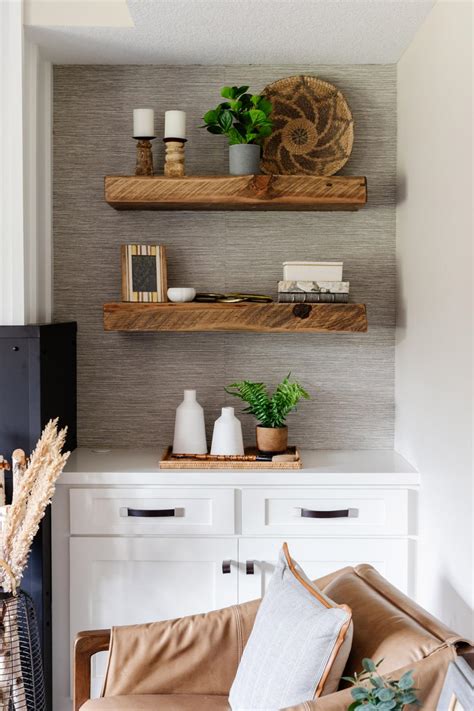
How to Style Floating Shelves
Floating shelves are one of those things that look so simple but can be a real pain to get right. They're great for storage and showing stuff off, sure. But getting them to look intentional instead of just... messy? That's the trick. Here's a bunch of tips and tricks to help you make your floating shelves actually look good in your home.
What is the Golden Rule for Styling Floating Shelves?
Honestly, the golden rule is all about balance, and it's called the rule of thirds. Basically, you group stuff in odd numbers—three, five, seven, whatever works. You want to mix up heights, textures, and visual weight. Don't just put two identical things next to each other. That's boring. Instead, try a tall vase, a stack of books, and a tiny plant. It's way more dynamic and interesting to look at.
How Do You Choose the Right Items for Floating Shelves?
Picking what goes on the shelf is half the battle. You need a theme or a color palette that fits the room. Think about these categories when you're grabbing stuff:
- Vertical Elements: Tall vases, candlesticks, or a framed picture—stuff that makes your eyes go up.
- Horizontal Elements: Stacked books, trays, or small sculptures. They anchor everything.
- Greenery: Potted plants, succulents, or those trailing vines. They add life and softness.
- Personal Touches: Photos, souvenirs from trips, or heirlooms. Gives it a story.
What Are the Best Practices for Arranging Items on Floating Shelves?
Arrangement is where the magic happens. You gotta layer things and create depth. Bigger, heavier stuff goes in back or the center. Smaller, lighter things go in front. Here's a quick checklist to keep it all polished:
| Step |
Action |
| 1 |
Start with a focal point, like a big piece of art or a striking vase. |
| 2 |
Add vertical items to mix up the height. |
| 3 |
Throw in horizontal items to break up all those vertical lines. |
| 4 |
Layer smaller objects in front of bigger ones for depth. |
| 5 |
Step back and look at it from different angles. Adjust if it feels off. |
How Can You Avoid a Cluttered Look on Floating Shelves?
To not make it look like a junk pile, you gotta show some restraint. Negative space is your friend. Leave some empty spots so the eye can rest. Overcrowding is the biggest mistake people make—try to only fill about two-thirds of the shelf. This little data table might help with spacing:
| Shelf Length |
Recommended Number of Items |
Example Arrangement |
| 24 inches |
3-5 items |
One tall vase, a stack of 2 books, a small plant |
| 36 inches |
5-7 items |
Two framed photos, a sculpture, a stack of 3 books, a candle |
| 48 inches |
7-9 items |
Three art pieces, a tall plant, two book stacks, a decorative bowl |
Expert Insights on Styling Floating Shelves
Interior designer Sarah Johnson says, "The key is to treat them like a curated gallery wall, but in three dimensions. Mix materials—wood, metal, ceramic—to add texture and interest." Another decorator, Michael Chen, adds, "Always think about where the shelf is. In a kitchen, use functional stuff like cookbooks and jars. In a living room, go for art and personal collections."
Frequently Asked Questions
Can I use floating shelves in a bathroom?
Yeah, they're actually great in bathrooms. Just use waterproof or sealed materials like teak, glass, or ceramic. Style them with rolled towels, small plants, and glass jars for toiletries.
How do I style floating shelves with books?
Arrange books both vertically and horizontally. Use bookends to keep stacks upright, and put small objects like candles or figurines on top of horizontal stacks for visual interest.
What colors work best for floating shelf decor?
Stick to a cohesive palette of 2-3 colors that match the room. Neutrals like white, beige, and gray are versatile, but pops of color can add personality.
How often should I change the styling?
Refresh them seasonally or whenever you want to update the room's look. It keeps the display dynamic and stops it from getting boring.
Short Summary
- Rule of Thirds: Group items in odd numbers and vary heights for balance.
- Item Selection: Mix vertical and horizontal elements with greenery and personal touches.
- Arrangement Tips: Use layering and negative space to avoid clutter.
- Context Matters: Tailor shelf styling to the room's function and decor.