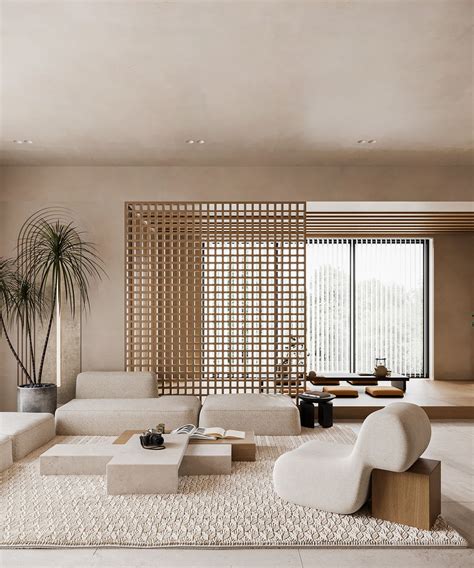
Japandi Interior Design Guide
What is Japandi Interior Design?
So, Japandi. It's this whole thing now, right? Really it's just what happens when Japanese minimalism and Scandinavian coziness have a baby. Not a trend though—more like a whole lifestyle thing. You're looking at simplicity, natural stuff, and actually respecting how things are made instead of just buying cheap garbage. The idea is "less is more" but without feeling like you're living in a hospital waiting room. That Danish "hygge" thing mixed with Japanese "wabi-sabi"? Yeah, that's the vibe. This guide's gonna walk you through making your home feel calm but not cold, put-together but not stiff.
What are the Key Principles of Japandi Style?
Alright, so there's basically five things that make Japandi work. Get these down and you're golden.
- Minimalism with Soul: Look, stark minimalism just feels like a dentist's office. Japandi spaces? They feel lived-in. Every single item has a reason to be there—either it works or it makes you happy. That's it.
- Natural Materials: Wood, bamboo, linen, wool, stone. You know, stuff that comes from the ground or animals, not a factory. These bring texture and make you feel connected to the outdoors even when you're stuck inside.
- Wabi-Sabi: This Japanese concept is basically celebrating the wonky stuff. A handmade bowl with a weird dent is way more valuable than some perfect mass-produced thing. Imperfection is the whole point.
- Functionality: Scandinavian influence means your furniture better be comfortable and actually useful. Not just pretty to look at—like, can I sit on this thing without my back hurting?
- Neutral Color Palette: Earth tones, muted whites, soft beiges, dark charcoal. That's it. Bright colors are rare—maybe some greenery if you're feeling wild.
How to Achieve the Japandi Look in Your Home?
Look, you don't have to do everything at once. Take it slow. Here's where you start.
- Declutter Ruthlessly: Seriously. If it doesn't serve a purpose or genuinely make you smile, get rid of it. Invest in hidden storage so your surfaces aren't a mess.
- Choose Low-Profile Furniture: Low sofas, platform beds, floor cushions—this is classic Japanese design. Makes everything feel grounded and way more calming.
- Layer Textures: Throw a chunky wool blanket over your linen sofa. Put a bamboo blind with a soft cotton rug. Why? Because it adds depth without adding actual clutter.
- Incorporate Greenery: One bonsai tree maybe. Or a branch of cherry blossom. Even just a simple fern. It brings life and balance—don't overthink it.
- Focus on Lighting: Soft ambient lighting is key. Paper lanterns, wooden floor lamps, candles—they create this warm diffused glow that's not harsh at all.
Japandi vs. Scandinavian vs. Minimalist: What's the Difference?
People mix these up all the time. Here's the breakdown in a table that actually makes sense.
| Feature |
Japandi |
Scandinavian |
Minimalist |
| Core Philosophy |
Balance, imperfection, warmth |
Functionality, coziness (hygge) |
Strict reduction, "less is more" |
| Color Palette |
Muted earth tones, deep charcoal |
White, light gray, pastel accents |
Black, white, gray, monochrome |
| Materials |
Raw wood, bamboo, linen, stone |
Birch, wool, sheepskin, glass |
Concrete, steel, glass, plastic |
| Mood |
Serene, meditative, grounded |
Bright, light, casual |
Cold, precise, sterile |
What are the Common Mistakes to Avoid in Japandi Design?
Even with good intentions, people mess this up. Don't fall into these traps.
- Mixing Too Many Styles: Japandi is a blend of two specific styles—Japanese and Scandinavian. Throwing in industrial or bohemian stuff just breaks the whole thing.
- Using Cheap Materials: The whole point of Japandi is the quality of natural materials. Fake wood or plastic looks completely out of place. Don't do it.
- Forgetting the "Warmth": A room can be minimalist but feel like a freezer. Make sure you have soft textiles, warm lighting, organic shapes—otherwise it's just cold.
- Over-Decorating: Resist the urge to fill every surface. Empty space is actually a design element. Let it breathe.
Frequently Asked Questions
Is Japandi design expensive to implement?
Can be, if you're buying designer pieces. But honestly? You can do it on a budget. Thrift solid wood furniture, make your own linen curtains, and declutter first. Quality over quantity, always.
Can Japandi work in a small apartment?
Absolutely. That's actually where it shines. Minimalism plus low-profile furniture makes small spaces feel airy and bigger than they really are.
What colors are used in Japandi design?
Off-white, beige, taupe, warm gray, charcoal—that's your main palette. Accents? Deep greens, muted blues, or natural wood brown. Stay away from bright primary colors.
How do I add personality to a Japandi room?
Texture and handmade objects. A rough ceramic vase, a woven basket, a vintage wooden stool, or one piece of abstract art with earth tones. Adds character without adding mess.
Resumen Breve
- Filosofía Central: Japandi fusiona la simplicidad japonesa con la calidez escandinava, priorizando la funcionalidad y la imperfección.
- Materiales Clave: Use madera natural, bambú, lino y lana para crear texturas auténticas y una conexión con la naturaleza.
- Regla de Color: Mantenga una paleta neutra de tonos tierra, beige y gris, añadiendo acentos sutiles con plantas o cerámica.
- Error Común: Evite el desorden y los materiales sintéticos; el espacio vacío y la calidad artesanal son esenciales para el estilo.